Key Takeaways
- Effective communication is essential for building trust and loyalty.
- Personalized gestures can significantly enhance client satisfaction.
- Leveraging technology can streamline interactions without losing the personal touch.
- Transparency in all dealings fosters long-term client relationships.
Table of Contents
- Effective Communication
- Personalized Gestures
- Leveraging Technology
- Transparency and Honesty
- Providing Ongoing Support
- Building a Strong Network
- Continuous Learning and Adaptation
- Expanding Services for Clients
- The Importance of Follow-Up
- Final Thoughts
Effective Communication
Clear and consistent communication is the cornerstone of any strong client relationship. Top agents prioritize understanding their clients’ needs and preferences, ensuring they feel heard and valued. Regular updates, prompt responses, and active listening are key components of effective communication.
For instance, Beverly Hills, CA real estate agent Josh Flagg emphasizes the importance of building trust through open dialogue. With over $3 billion in career sales, Josh Flagg has established himself as a leading figure in the luxury real estate market. His approach involves being upfront about strengths and weaknesses and working diligently to understand clients’ unique requirements. This transparency fosters a comfortable environment where clients feel confident in their decisions.
Personalized Gestures
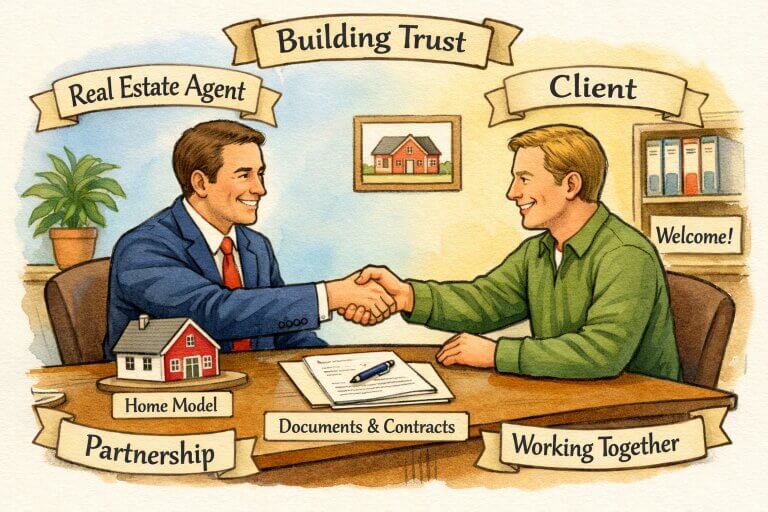
Small, thoughtful actions can leave a lasting impression on clients. Remembering important dates, sending handwritten notes, or acknowledging personal milestones demonstrates genuine care and attention to detail. These gestures help in building trust and loyalty.
Top agents often go beyond simple gifts or cards. They might offer housewarming gifts tailored to a client’s interests or host annual appreciation events. By establishing ritualized moments of connection, agents create fond memories long after a transaction closes. Some successful agents maintain a database of client birthdays, home purchase anniversaries, and even pets’ names, enabling them to reach out at meaningful times. These authentic connections inspire referrals and repeat business.
Leveraging Technology
Incorporating technology can enhance client interactions without sacrificing personalization. Utilizing Customer Relationship Management (CRM) systems allows agents to track client preferences and history, enabling tailored communication. For instance, platforms offer customizable interfaces and AI-powered lead prioritization, streamlining client management.
Moreover, using video calls for virtual tours or digital document signing makes transactions smoother and saves busy clients valuable time. Top agents exploit social media platforms to showcase properties, provide market updates, and maintain a consistent brand presence. With the right combination of technology and personal communication, agents can adapt to evolving client expectations while maintaining a warm, approachable persona.
Transparency and Honesty
Being upfront about costs, processes, and potential challenges builds credibility. Clients appreciate honesty, even when delivering unfavorable news. This transparency fosters trust and sets realistic expectations, leading to more satisfied clients.
Transparency also extends to sharing market realities, such as fluctuations in local pricing or shifts in buyer demand. When agents clearly outline both the pros and cons of a decision, clients feel empowered and respected. Clear estimates, well-explained contracts, and unambiguous communication about potential hurdles, like inspection results or contingencies, ensure clients remain informed every step of the way.
Providing Ongoing Support
Maintaining relationships beyond the transaction is crucial. Providing post-sale support, such as local service information or market updates, keeps clients engaged. Hosting community events or sending personalized newsletters can also reinforce the agent-client bond.
Follow-up is critical. Many clients will need guidance with home maintenance, referrals for renovation, or information on refinancing opportunities months or years after closing. Savvy agents position themselves as resources for life, encouraging clients to reach out with questions, no matter how small, and reinforcing the relationship through proactive check-ins.
Building a Strong Network
Collaborating with other professionals, such as mortgage brokers, inspectors, and contractors, allows agents to offer comprehensive services. A robust network not only enhances the client experience but also positions the agent as a valuable resource.
Agents who can recommend trusted businesses, painters, landscapers, and insurance agents add value beyond the scope of a typical sale. This web of relationships creates a sense of community, with the agent at the center as a knowledgeable connector. Clients often appreciate these introductions, which streamline their transition into a new home or help with the sale preparation process, and will frequently recommend the agent to others for the same reason.
Continuous Learning and Adaptation
The real estate market is ever-evolving. Top agents stay informed about industry trends, market conditions, and technological advancements. Continuous learning ensures they can provide clients with the most current and relevant information.
This might include attending industry seminars, completing certification courses, or participating in online workshops on real estate law, finance, or marketing. By staying on top of the latest tools and regulations, agents serve as informed advisors. Sharing this knowledge with clients—through educational webinars, blog posts, or market updates- demonstrates their ongoing commitment to professionalism and growth.
Expanding Services for Clients
Many successful agents differentiate themselves by offering expanded services to meet a growing range of client needs. Some offer complimentary staging consultations, access to home improvement specialists, or partner with moving companies to offer client discounts. Agents might also supply detailed neighborhood guides, local school insight, or curated lists of upcoming community events to help clients feel at home faster.
These extras, though not always required, make a memorable difference. By anticipating client needs beyond the immediate sale or purchase, agents demonstrate both forethought and care. As a result, clients often view their agent not only as a transactional advisor but also as a lifelong friend and advocate.
The Importance of Follow-Up
One of the most overlooked aspects of maintaining client relationships is the diligent follow-up after closing day. Top agents establish systems, whether through automated reminders in their CRM or simple calendar alerts, to check in with past clients periodically. Questions about satisfaction, requests for testimonials, and gentle reminders about home maintenance or market opportunities show ongoing engagement.
Surveys and feedback forms can also be leveraged for continuous improvement, allowing agents to refine their processes and better meet unique client preferences. Consistent follow-up ensures clients remember their agent fondly and are more likely to provide referrals or return for their next transaction.
Final Thoughts
Building strong client relationships requires a combination of effective communication, personalized attention, technological integration, transparency, ongoing support, a strong professional network, and a commitment to continuous learning. By implementing these strategies, real estate agents can foster trust and loyalty, leading to long-term success in the industry.