Eco-friendly flooring offers superior performance and timeless beauty, making it a sustainable choice for both remodels and home construction. As climate change and resource depletion concerns rise, homeowners are recognizing the importance of responsible sourcing and manufacturing.
Eco-friendly flooring choices offer a compelling blend of environmental responsibility, modern style, and practical advantages for today’s homeowners. When you opt for sustainable flooring materials, you’re not just elevating the look and comfort of your home—you’re making a conscious investment in the health and longevity of your living space. Sustainable flooring choices contribute to a more environmentally conscious society, reducing carbon footprint and creating a warm, inviting atmosphere. These eco-friendly choices support physical health, environmental conservation, and modern lifestyle values.
Environmental Benefits
Eco-friendly flooring, like bamboo and cork, reduces environmental impact and promotes sustainable home design. It’s harvested quickly, leaving the original ecosystem intact. Recycled or reclaimed wood reduces waste and environmental burden. Eco-friendly flooring is certified by organizations like the Forest Stewardship Council, ensuring responsible sourcing, ethical processing, and minimal ecological disruption. These choices model environmental leadership and foster the well-being of ecosystems for future generations.
Health Advantages
Many mainstream flooring products—such as vinyl, carpet, or laminate—can emit high levels of volatile organic compounds (VOCs), which migrate into the air and linger for years inside your home. VOCs are known to negatively affect respiratory health, sometimes aggravating allergies, asthma, or other chronic conditions. In contrast, many eco-friendly flooring options are purposely designed or engineered to emit extremely low levels of VOCs, ensuring your home’s indoor air remains fresh, clean, and safe for all inhabitants. Flooring stores increasingly offer these low-VOC alternatives, providing homeowners with healthier, more sustainable options. Materials like cork and natural linoleum also possess hypoallergenic and antimicrobial properties, resisting mold, mildew, and bacterial accumulation and proliferation on their surfaces.
Popular Eco-Friendly Flooring Options
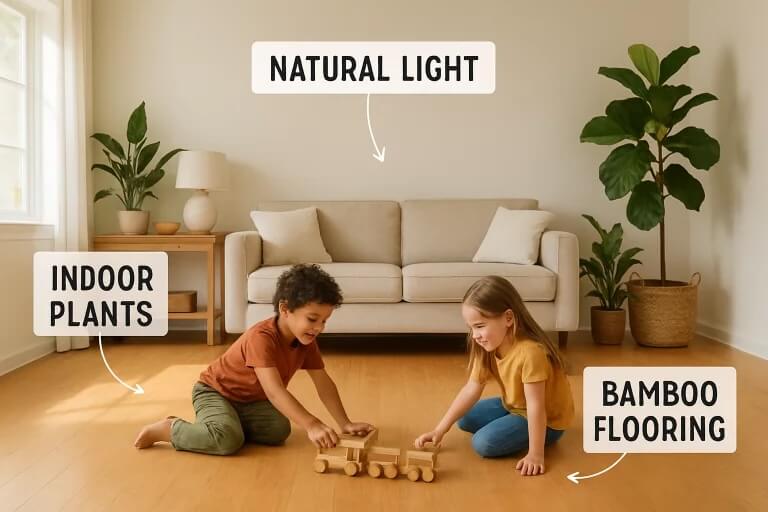
Eco-friendly flooring options include bamboo, cork, reclaimed wood, linoleum, and recycled rubber. Bamboo is known for its rapid renewability, hardness, and resistance to deformation, making it suitable for spaces with wear and tear. Cork, harvested from cork oak trees, is soft, springy, and comfortable underfoot. Reclaimed wood, often salvaged from old homes or factories, reduces demand for new timber and adds character to living spaces. Linoleum, made from renewable resources, is biodegradable, sturdy, and resistant to staining. Recycled rubber from post-consumer tires offers slip resistance, durability, and comfort, supporting recycling initiatives and waste reduction.
Economic Benefits
Eco-friendly flooring, made from durable materials like bamboo, cork, and linoleum, can be expensive initially but offers long-term savings due to less frequent repairs and insulating properties. The trend towards green building attracts more interest in the real estate market, making sustainable flooring a desirable selling point for environmentally responsible homes.
Choosing the Right Flooring
Choosing eco-friendly flooring for your home involves considering room function, personal design style, environmental values, and budget. Water-resistant options like linoleum or recycled rubber are ideal for kitchens, bathrooms, and laundry areas. Bamboo or reclaimed wood complements living rooms and bedrooms. Consulting professionals can help balance durability, aesthetics, and maintenance requirements. Encouraging eco-friendly flooring is a step towards a healthier, beautiful, and resilient home.