Key Takeaways
- Modern construction projects have a substantial impact on the growth and well-being of communities.
- Adopting innovative housing and community design solutions enhances affordability and sustainability.
- Technological, social, and economic changes drive the need for adaptable, inclusive community spaces.
Table of Contents
- Affordable Housing Solutions
- Technological Advancements in Construction
- Mixed-Density Developments
- Master-Planned Communities
- Sustainable Building Practices
- Community Involvement in Development
- Economic Impacts of New Construction
- Future Trends in Community Development
Modern development is radically reshaping the way communities evolve in both urban and suburban settings. By introducing new construction projects with innovative designs and environmentally conscious approaches, neighborhoods are better equipped to meet the demands of a changing population. Today’s construction methods foster vibrant, resilient communities that reflect the diverse needs of their residents while addressing economic and environmental challenges.
Innovations in construction, from groundbreaking technology to sustainable building materials, mean that projects are now being completed more efficiently, often costing less and lasting longer. As housing affordability and climate resilience become top priorities for city planners, builders, and residents alike, the focus has shifted to creating spaces that emphasize quality of life, accessibility, and long-term sustainability. As large-scale developments progress, effective temporary traffic planning becomes essential for protecting workers and minimizing disruption to nearby residents, with resources such as www.trafficflowtm.co.uk offering insight into professional traffic management solutions.
These trends influence more than just residential architecture. They impact transportation, commercial spaces, recreation, and social interaction, changing how people experience everyday life. The rise of thoughtfully planned developments is a testament to how intentional design can help communities thrive amid rapid growth.
As more attention is paid to inclusive planning, economic vitality, and forward-thinking community engagement, developers find success in meeting the unique needs of different populations. Collaboration with local organizations and authorities often leads to innovative solutions that enhance community cohesion and long-term value.
Not only are these shifts seen in residential areas, but they’re evident in the commercial sector as well, where commercial construction companies play an essential role in shaping mixed-use developments and revitalizing neighborhoods.
Affordable Housing Solutions
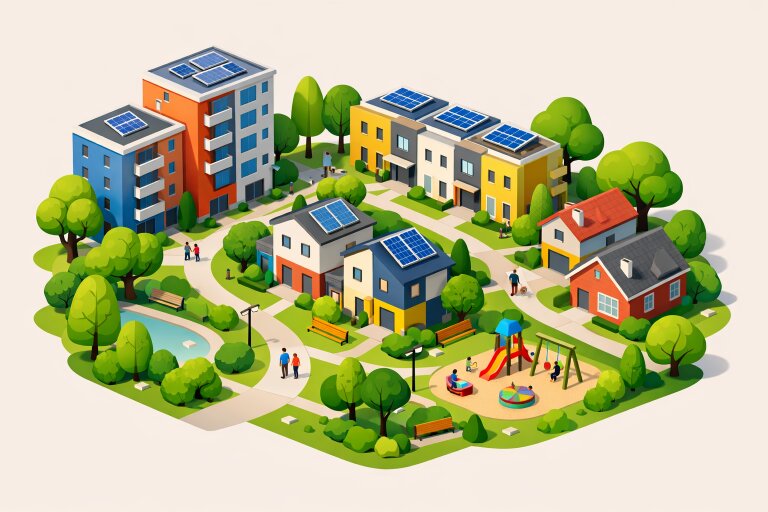
Accelerating the construction of affordable housing remains a primary concern for many local governments and developers. Increasing demand for accessible living spaces has spurred projects that blend affordability with high standards of design. An example of this shift can be seen in communities introducing affordable units that are visually and functionally integrated within established neighborhoods. These efforts not only combat displacement but also support community diversity.
Technological Advancements in Construction
Adopting new technology has revolutionized the construction industry. Innovations such as 3D printing, modular construction, and advanced project management software are making it faster and more cost-effective to complete building projects. The use of 3D-printed homes, for example, has begun to unlock new opportunities in housing design, permitting quicker builds and greater customization. These technological advances not only improve efficiency but also help address ongoing labor shortages and supply chain constraints. To understand how technology is transforming construction globally, visit Forbes’ construction technology trends.
Mixed-Density Developments
Developers are increasingly turning to mixed-density and mixed-use projects as solutions for urban and suburban communities. By including single-family homes, apartments, and townhouses within the same development, planners promote diversity, affordability, and a stronger sense of community. Neighborhoods that support a range of housing types encourage economic integration and increase accessibility to amenities, public transit, and local services. This blend reduces urban sprawl and makes optimal use of available land.
Master-Planned Communities
Master-planned communities are developed with the intent to offer residents a holistic environment that includes residential, commercial, recreational, and natural spaces. These carefully designed neighborhoods prioritize walkability, shared green space, and efficient land use. By considering long-term needs and future growth, master-planned communities aim to create sustainable, self-sufficient places for people to live, work, and play. Effective master planning results in communities that are visually appealing, functional, and nurturing to a wide demographic.
Sustainable Building Practices
Environmental stewardship is increasingly important in new construction. Builders now employ green roofs, recycled materials, efficient insulation, solar panels, and smart water management systems to reduce the ecological footprint of their projects. The push for sustainability is not only about reducing carbon emissions. It also creates healthier living environments for residents and offers long-term cost savings. Policies and certifications, such as LEED (Leadership in Energy and Environmental Design), highlight the value of building responsibly for future generations.
Community Involvement in Development
Successful new construction projects are those that consider the voices and needs of the local community. Public forums, stakeholder meetings, and collaborative design sessions ensure developments respect the social and cultural fabric of a neighborhood. Involving residents early in the process fosters trust, inspires local pride, and generates support for new projects. Such participation leads to creative solutions that benefit both new and existing community members.
Economic Impacts of New Construction
The ripple effects of construction projects are far-reaching. Job creation, increased property values, and the emergence of new businesses often follow major development initiatives. Large-scale projects can uplift local economies by attracting investment and drawing in new residents and visitors. As these economic benefits take shape, communities gain resources to invest in schools, infrastructure, and public services, driving a continual cycle of improvement and renewal.
Future Trends in Community Development
The future of community development is marked by adaptive design, digital integration, and sustained focus on inclusivity. Smart infrastructure, resilient construction, and flexible public spaces are at the forefront of forward-thinking urban planning. Data-driven approaches allow cities to respond to resident needs in real time, while architects and planners explore new ways to balance economic growth with environmental responsibility. Anticipating these trends can help current developments lay a solid foundation for tomorrow’s communities.
Advances in new construction are setting inspiring examples across the country. To learn more about the latest innovations in urban planning and their impact on community life, the Architectural Digest community developments feature offers fresh insights into evolving trends and real-world results.