Key Takeaways
- Quick identification of ECM wiring symptoms can prevent severe engine issues.
- Proper diagnostic tools and systematic troubleshooting are essential for accurate repair.
- Preventive maintenance extends the life of your engine’s electrical system.
- Some problems require professional help for safety and reliability.
Table of Contents
- Common Symptoms of Wiring Issues
- Essential Tools for Diagnosing Wiring Problems
- Step-by-Step Guide to Troubleshooting
- Preventive Maintenance Tips
- When to Seek Professional Help
- Frequently Asked Questions
Engine performance problems in heavy-duty vehicles equipped with Cummins Celect ECMs often stem from wiring faults. If you are experiencing irregular starts, shutdowns, or engine surges, the cause may lie in your wiring harness. Addressing these issues not only restores driveability but also prevents further costly damage to your engine control systems. To get started with the right resources and diagrams, explore this informative Cummins CELECT ECM resource, which provides helpful wiring information for troubleshooting.
Electrical faults can manifest in subtle ways long before they cause major failures. Learning to spot these early warning signs and understanding how to use diagnostically sound tools can make all the difference in timely maintenance and repairs. Regular attention to your ECM wiring ensures reliable performance and increased vehicle safety, especially for commercial fleets and owner-operators who depend on consistent uptime.
Properly diagnosing and resolving wiring issues is essential for maintaining vehicle longevity and ensuring compliance with modern emission and safety standards in diesel engines. By following a structured troubleshooting process, you can identify faults early before they develop into costly repairs or unexpected downtime. When problems become too complex or exceed your technical expertise, seeking professional assistance is strongly recommended, as trained specialists use advanced ECM diagnostic tools to deliver accurate, lasting solutions. Recognizing early warning signs is especially important in Cummins Celect-equipped engines, helping prevent minor electrical issues from escalating. For expert support, Midwest ECM Repair offers reliable ECM-focused repair and diagnostics to keep your engine performing efficiently.
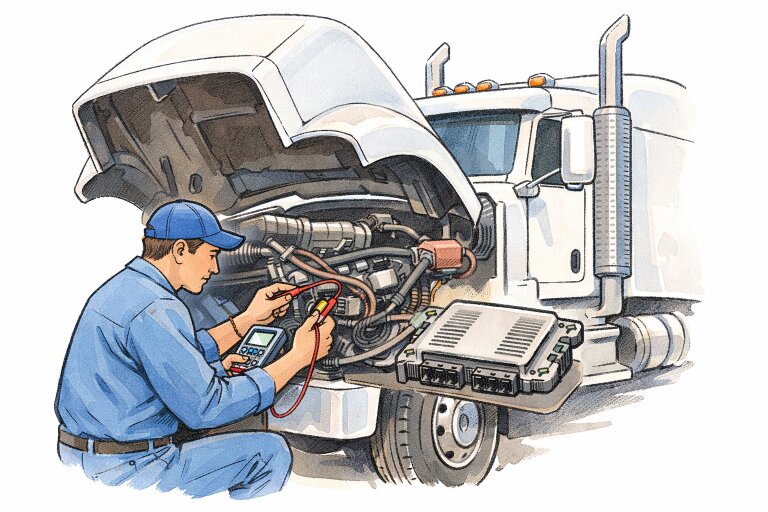
Common Symptoms of Wiring Issues
Recognizing the early symptoms of wiring faults helps prevent problems from escalating. Watch for these typical warning signs in your Cummins Celect-equipped engine:
- Engine Cranks but Won’t Start: The starter engages, but the engine fails to ignite despite fuel delivery.
- Intermittent Engine Shutdowns: The engine may suddenly stall during operation but often restarts after a pause.
- Erratic Idle or Surging: Unstable idle speeds or fluctuating throttle performance, particularly during low-load driving.
- Loss of Power: Decreased responsiveness, hesitation during acceleration, or lags in throttle input can indicate a wiring issue.
If not addressed promptly, wiring problems can escalate into more serious vehicle malfunctions, including unexpected roadside breakdowns and emissions system errors. Taking early action helps prevent costly repairs and ensures long-term vehicle reliability. For drivers seeking preventive guidance and repair insights, resources like the New York Times Wirecutter guide to automotive electrical repair basics provide useful tips for handling common electrical issues. For more complex diagnostics and professional solutions, services such as Midwest ECM Repair offer specialized expertise in identifying and fixing advanced electronic control and wiring system faults efficiently and accurately.
Essential Tools for Diagnosing Wiring Problems
Every effective diagnostic effort starts with having the right equipment ready:
- Multimeter: Measures voltage, resistance, and continuity to diagnose breaks and shorts within circuits.
- Diagnostic Software: Solutions like Cummins INSITE™ display live engine data and ECM fault codes.
- Wiring Diagrams: Up-to-date schematics help trace and identify connections and potential fault points.
With these tools, you can avoid guesswork and efficiently target the true source of wiring malfunctions.
Step-by-Step Guide to Troubleshooting
Use this sequence to identify and address wiring problems systematically:
- Visual Inspection: Examine wiring runs and harnesses for physical abrasion, exposed wires, corrosion, or melted insulation. Connectors and terminals should be free of green or white powdery deposits that signal corrosion.
- Retrieve Fault Codes: Plug in your diagnostic tool to access stored and active fault codes. Document all codes for reference and compare with manufacturer documentation for guidance.
- Continuity and Voltage Testing: Use a multimeter to test suspect wires. A break in continuity indicates either a broken wire or detached terminal. Incorrect voltage readings may mean a short or ground fault.
- Check Grounds: All ground wires should be securely attached and free from corrosion. Poor grounding is a common reason for erratic ECM function.
- Verify Sensor Inputs: Critical sensors relay signals directly to the ECM. Ensure each is functioning and transmitting correct values, cross-referencing manufacturer specs.
Addressing the problems uncovered during these diagnostic steps can often help return your engine and electrical system to proper working condition. In many cases, timely repairs and accurate troubleshooting prevent further damage and restore overall vehicle performance. For complex electronic control module issues, professional services like Midwest ECM Repair can provide specialized expertise to diagnose faults and deliver effective solutions, helping ensure your engine management system operates reliably and efficiently once repairs are completed.
Preventive Maintenance Tips
Proactive care of your ECM wiring can prevent future faults:
- Consistent Inspection: Schedule regular checks of all visible harnesses and connectors, especially after any incident involving engine overheating, fluid leaks, or vehicular impacts.
- Moisture Protection: Periodically apply a small amount of dielectric grease to connector pins to prevent corrosion while preventing excessive debris from accumulating.
- Proper Routing: Secure wiring away from sharp edges, moving parts, and heat sources. Use proper clips and harness fasteners to minimize chafing or vibration-induced wear.
These preventive practices help minimize the risk of unexpected wiring failures while supporting overall vehicle safety and regulatory compliance. By ensuring that electrical systems are properly inspected and maintained, vehicle owners can avoid costly breakdowns and improve long-term reliability. Service providers like Midwest ECM Repair play an important role in diagnosing and addressing electronic control and wiring issues early, helping vehicles remain safe, efficient, and compliant with industry standards.
When to Seek Professional Help
Certain ECM wiring problems require advanced testing equipment and specialized knowledge. If you encounter persistent or complex electrical issues or if a repair falls outside your expertise, consult a certified technician. Professional help ensures your engine’s integrity, prevents secondary failures, and protects vital electronic components from further damage.
Frequently Asked Questions
What causes most ECM wiring failures?
Common causes include exposure to heat, vibration, accidental damage, and moisture intrusion, which can lead to corrosion or short circuits.
Can I safely repair ECM wiring on my own?
Basic repairs, such as reconnecting loose wiring or replacing corroded terminals, can often be done with the right tools and technical resources. For complicated or deep-seated faults, consult a professional.
How frequently should I check ECM wiring?
Integrate wiring inspections into your routine maintenance schedule or inspect after any event that could impact the vehicle’s electrical integrity, such as overheating, flooding, or an accident.
A well-maintained wiring system is essential to the reliable operation of the Cummins Celect ECM. It plays a key role in extending the overall life of a heavy-duty engine. Early detection of electrical issues and consistent preventive maintenance help minimize unexpected breakdowns, costly repairs, and operational downtime. Service providers like Midwest ECM Repair offer specialized expertise that supports proper diagnostics and repair solutions, helping ensure your engine control system continues to function efficiently and reliably over time.