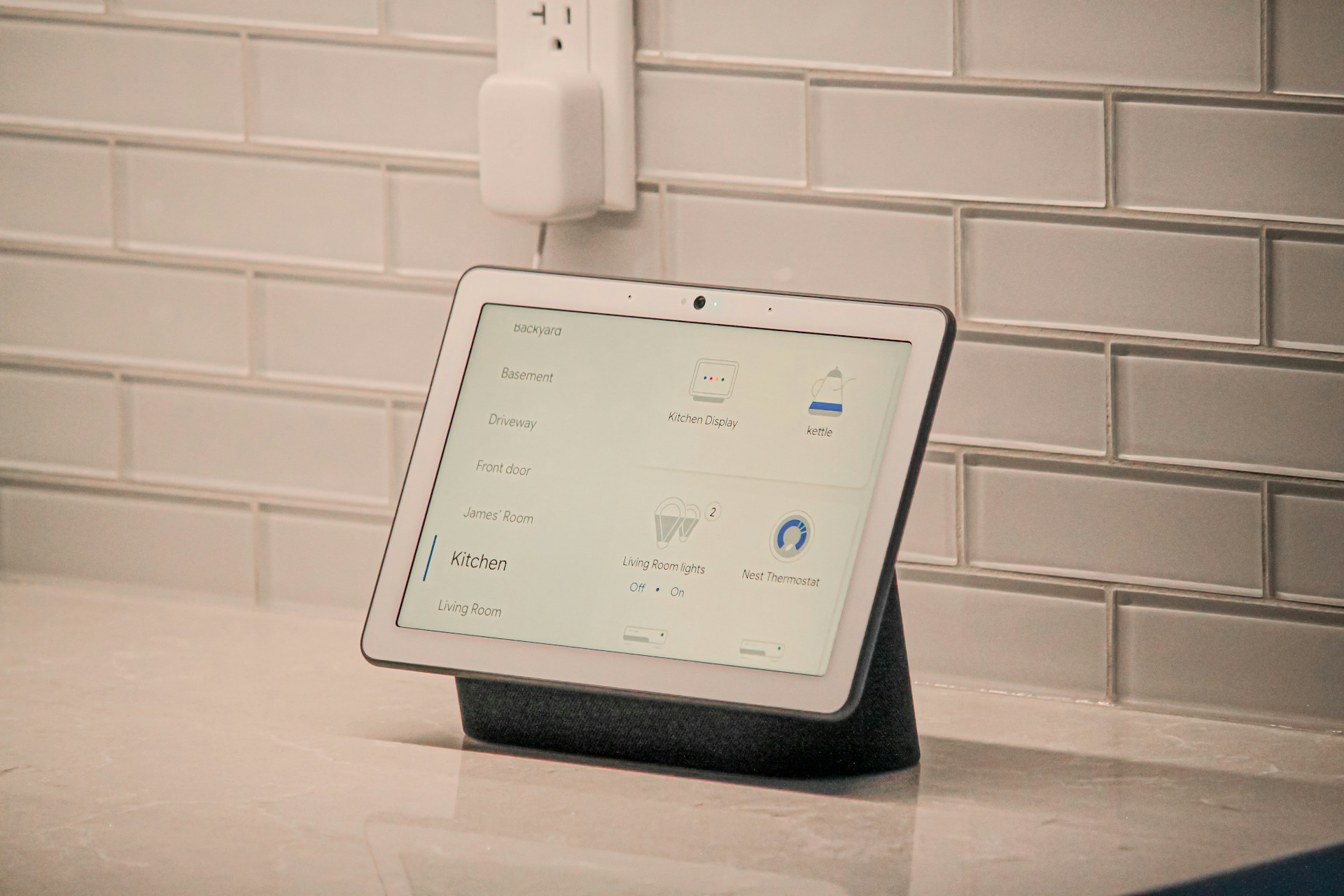
As homes continue to incorporate more advanced technology, the risks associated with their security systems are becoming increasingly complex. Many homeowners install smart locks, surveillance cameras, and other connected devices for peace of mind—often unaware of the sophisticated threats that can undermine their safety. Today’s security landscape combines digital and physical threats, exposing vulnerabilities that arise from the interconnectedness of devices. Understanding these weaknesses is crucial for homeowners, as complacency can lead to intrusions. While advanced technologies improve safety, they also create new entry points for attackers. Regular updates, awareness of vulnerabilities, and family education on security practices are crucial for mitigating risks.
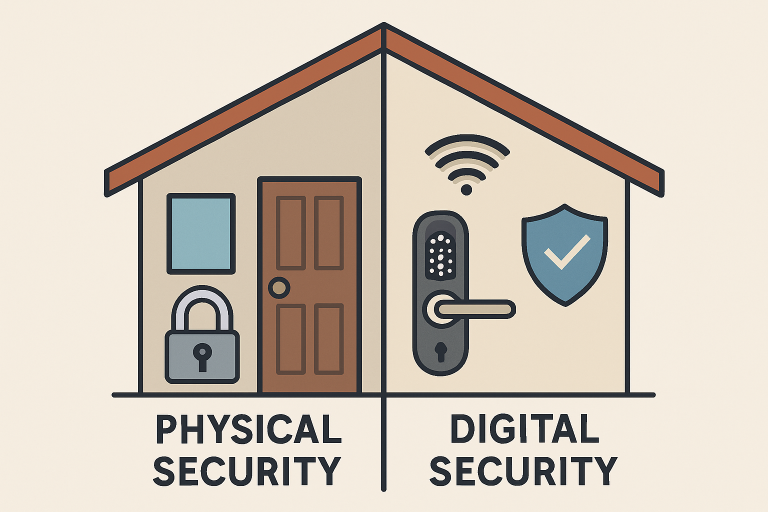
Comprehensive home protection is achieved by combining robust digital security features with substantial physical barriers. For example, upgrading entryways with high-quality doors or reinforcing existing structures can play a crucial role in comprehensive security planning, especially when combined with the strategic use of modern technology. Investing in window locks, motion-sensor lighting, and old-fashioned neighborhood awareness can make a significant impact. While your front line of defense may be digital, your last line often depends on durable, intelligently designed hardware—and every layer counts when it comes to deterring or stopping a determined intruder.
Cyber Attacks on Smart Home Devices
The convenience of smart home devices can come with significant cybersecurity risks. Hackers increasingly target internet-connected devices—such as cameras, alarms, climate controls, and smart locks—by exploiting weak passwords, outdated firmware, or default settings to gain unauthorized access. Once inside a home network, intruders can quietly monitor routines, steal sensitive data, and even unlock doors, often without detection for weeks or months. Recent incidents have demonstrated how easily attackers can infiltrate widely used systems, compromising the security of thousands of households due to insufficient protection. Phishing campaigns, malicious mobile apps, and “man-in-the-middle” attacks are on the rise, allowing hackers to intercept security signals, capture footage, or disable alerts before homeowners are aware of the breach. Cybercriminals also leverage botnets—networks of compromised devices—to launch automated, large-scale attacks, putting entire neighborhoods at risk. The growing popularity of do-it-yourself security kits has amplified these threats, as many kits are shipped with generic credentials or default configurations that users fail to update, leaving homes vulnerable even to relatively unsophisticated attackers.
Supply Chain Vulnerabilities
Modern smart security systems are facing increasing risks from supply chain vulnerabilities, as highlighted by a rise in software supply chain attacks in 2025. Malicious code can be embedded into software during development, particularly through compromised open-source components, allowing attackers to infiltrate consumer devices. Inconsistent security standards among suppliers exacerbate these vulnerabilities. To mitigate risks, homeowners should choose reputable vendors, ensure timely firmware updates, and monitor for emerging threats, while segmenting devices on separate networks for added security.
False Alarms and Delayed Responses
False alarms remain a persistent problem with traditional home systems, accounting for an estimated 95% of alarm activations. This rampant issue can foster complacency in both users and law enforcement, resulting in delayed emergency responses at critical moments. If police or emergency services respond to repeated false alarms, it could result in fines for homeowners or, in some districts, reduced prioritization for calls from their address. To address this, there has been a shift towards smart alarm systems that leverage real-time video verification or AI-powered threat assessment technologies, which can be more accurate in distinguishing real threats from accidental triggers or harmless incidents. These newer systems are designed to adapt to your routines, filter out common causes of erroneous alarms (such as a pet moving past a sensor), and clarify ambiguous situations with live video feeds that first responders can access in real-time. Not only does this save money and time, but it could be the key to ensuring first responders treat a genuine emergency with urgency.
Physical Security Breaches
Not all threats are digital. Even with modern technology, determined intruders may still target the physical aspects of your home’s defenses. Bypassing sensors, breaking windows, or simply using standard lockpicking tools can often defeat fancy technological solutions if traditional reinforcing measures are neglected. A notable example unfolded in April 2025 when an intruder managed to bypass several advanced security measures to enter a high-security residence in Pennsylvania. The incident starkly illustrated that robust technological solutions must be complemented by strong physical security—quality locks, reinforced doors, and secured windows are as vital as ever, as noted by Consumer Reports. For many criminals, even visible cameras or alarms are a deterrent; however, experienced burglars often seek ways to disable or circumvent such systems physically. Regularly inspecting doors, windows, and external lighting ensures that weak points are shored up as technology continues to evolve.
Emerging Technologies and Security
Autonomous security drones, facial recognition, and machine learning-enhanced surveillance are quickly shifting the landscape of home security. Drones, in particular, can patrol estates, provide aerial footage, and even challenge intruders—all without human intervention. Facial recognition systems are being trained to identify trusted family and friends, thereby reducing the likelihood of accidental alarms and enabling smart homes to provide a more personalized security experience. However, as these innovations are integrated into more homes, cybercriminals too are adapting. Hackers attempt to manipulate drone signals or impersonate authorized users to bypass facial recognition, constantly escalating the technological arms race between attackers and defenders. It’s vital to continuously review system settings, update security protocols, and stay informed about emerging threats and patches as this technological arms race evolves. As homes become increasingly reliant on cutting-edge solutions, the importance of ongoing education and cybersecurity hygiene cannot be overstated.
Best Practices for Homeowners
- Keep software and firmware on all devices consistently updated to address new vulnerabilities.
- Implement strong, unique passwords for all security devices, and enable two-factor authentication when possible.
- Opt for alarm systems with integrated video verification features to help minimize false alarms.
- Schedule regular security audits for both digital and physical components to proactively identify and address potential weaknesses.
Wrap-Up
As homes become increasingly connected and reliant on advanced technology, the risks to both digital and physical security continue to grow. Cyber attacks, supply chain vulnerabilities, false alarms, and physical breaches highlight that no single solution is sufficient on its own. Adequate home security requires a layered approach—combining robust technology, substantial physical barriers, regular updates, and informed, proactive homeowners. By staying vigilant, implementing best practices, and educating all household members, homeowners can significantly reduce vulnerabilities, deter intruders, and ensure swift responses when threats arise. Ultimately, security is not just about the devices you install—it’s about creating a comprehensive, adaptable strategy that protects your home and peace of mind.