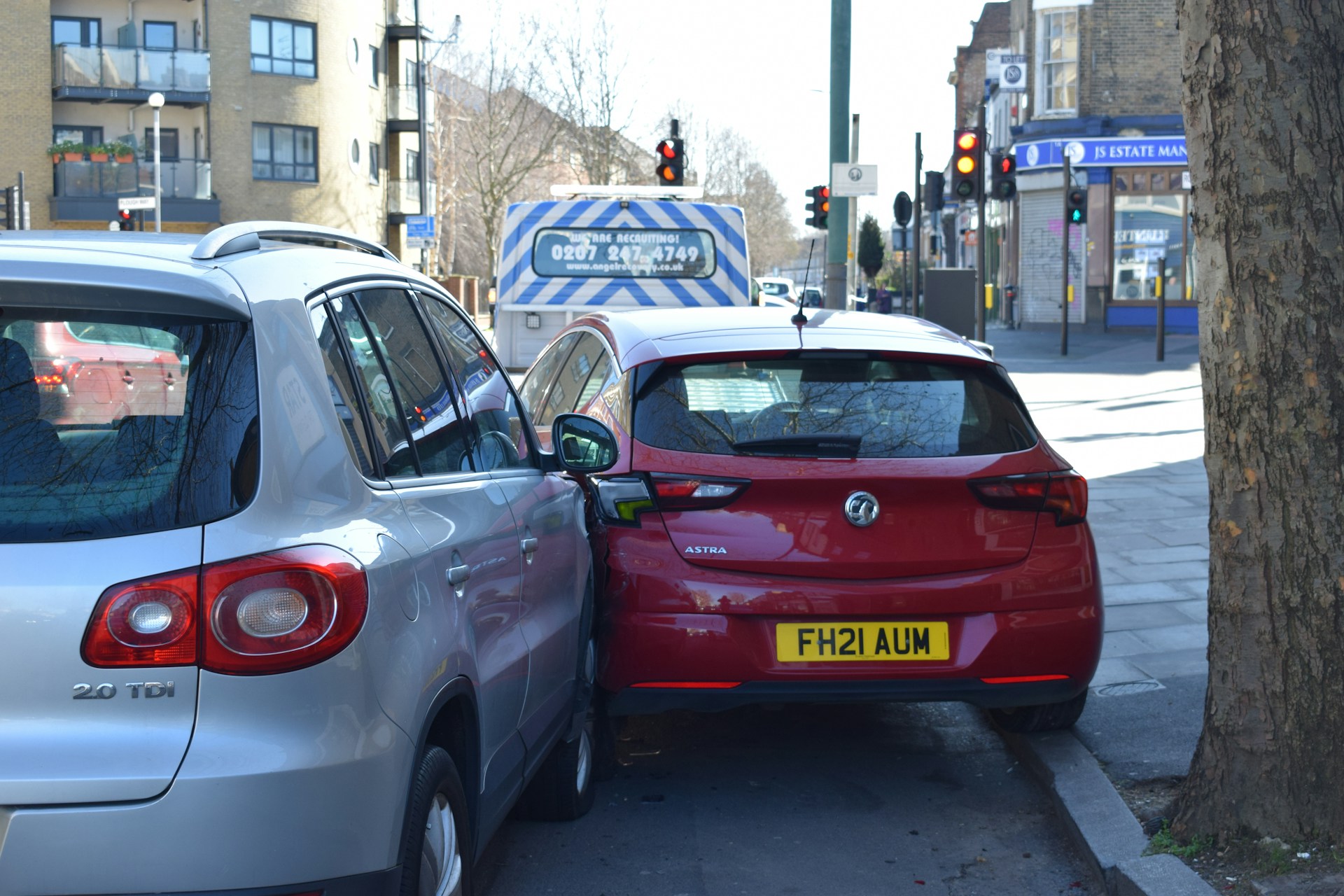
Being struck by a drunk driver can leave you feeling shocked and uncertain about what to do next. Acting quickly and making informed decisions can help protect your health, secure valuable evidence, and preserve your right to compensation. Whether you’re dealing with injuries or the emotional aftermath, knowing the right actions to take is essential. Many victims are unsure where to turn for professional support and legal assistance after such a collision. That’s why consulting an experienced Boulder DUI accident lawyer can be invaluable when navigating the complexities that follow a DUI-related crash.
Understanding your rights and obligations after an accident involving an impaired driver will also help you avoid costly mistakes that could affect your recovery and claim. This comprehensive guide outlines the steps you need to take each designed to maximize your safety and your ability to secure just compensation so you can move forward with confidence if the unthinkable happens.
Ensure Safety and Contact Emergency Services
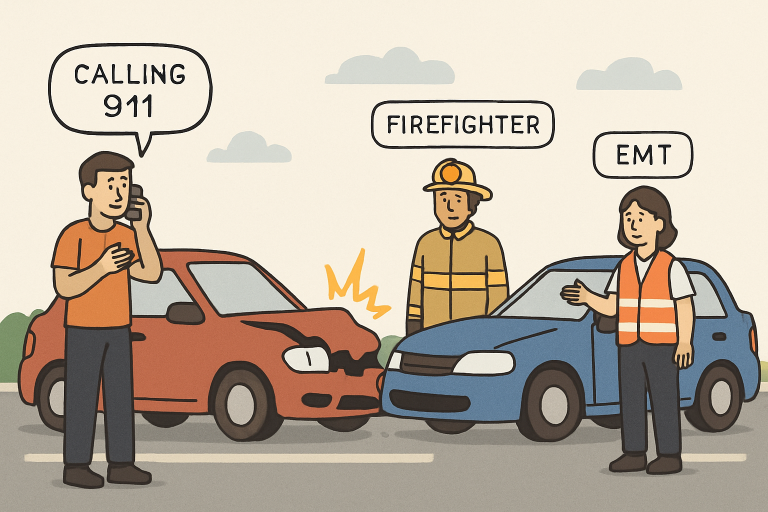
Your first concern after any accident is your immediate safety. If you are able, carefully move out of traffic to a safer location adjacent to the road. Call 911 without delay. Relay the nature of your injuries, if any, and mention the suspected intoxication of the other driver. Rapid communication is particularly important in DUI cases, as law enforcement officers need to quickly assess the situation, observe signs of impairment, and complete an incident report that will play a pivotal role in future legal proceedings. According to the Centers for Disease Control and Prevention (CDC), swift reporting and documentation significantly strengthen your position if you need to pursue compensation or criminal charges.
Seek Medical Attention Promptly
It is crucial to receive a professional medical evaluation immediately following the accident, regardless of how you feel physically. Some injuries, such as whiplash, internal wounds, or traumatic brain injuries, do not manifest until hours or days after the incident. Prompt examination provides an official medical record linking your injuries to the accident, which can be essential for pursuing an insurance claim or lawsuit. Early detection and treatment of hidden injuries not only safeguards your health but also fortifies your legal case.
Document the Accident Scene
If your condition allows, take steps to collect as much evidence as possible at the crash site:
- Photographs: Document vehicle positions, visible damages, license plates, traffic signs, skid marks, and the surrounding environment.
- Witness Statements: Ask for contact details from any eyewitnesses. Independent accounts can corroborate your version of events, strengthening your claim.
- Driver Information: Write down the drunk driver’s name, contact information, driver’s license number, insurance policy details, and any visible indications of intoxication such as slurred speech or erratic behavior.
Report the Incident to Your Insurance Company
Notify your insurer about the accident at the earliest opportunity. Provide only factual information and avoid conjecture about the circumstances or your injuries. Insurance firms may try to limit your compensation or use your statements to dispute your claim, so transparency and precision are vital when communicating with representatives.
Understand Your Legal Rights
Victims of drunk driving accidents have rights extending well beyond basic insurance settlements. You may be entitled to compensation for medical bills, rehabilitation, lost wages, property damage, and pain and suffering. In cases of egregious conduct, you could also pursue punitive damages funds intended to penalize gross negligence and deter similar acts in the future. Reviewing your situation with a legal professional is prudent, as state laws on compensation and liability can be complex and vary widely. Further insight can be found with resources like the CDC’s Impaired Driving Facts, which offers a deeper look at drunk driving risks and victims’ support options.
Consult with a Personal Injury Attorney
Hiring an experienced personal injury attorney who specializes in DUI-related crashes can make a substantial difference in your case outcome. A skilled lawyer can independently investigate your claim, liaise with law enforcement and witnesses, and handle negotiations with insurers. Most reputable attorneys offer a free initial consultation and operate on a contingency fee model meaning their payment is tied to your successful compensation, which minimizes your upfront financial risk. Legal help ensures you are not outmatched by aggressive insurance tactics and are positioned to recover the full compensation you deserve.
Be Cautious with Insurance Adjusters
After a DUI accident, insurance adjusters might contact you quickly, ask for a recorded statement, or offer a quick settlement. Resist the urge to speak with them or accept any offer before consulting your attorney. Statements made during these early conversations can sometimes be used to undermine or devalue your claim. Allow your legal counsel to handle these discussions to ensure your interests are prioritized throughout the process.
Utilize Available Resources
Numerous organizations provide guidance, advocacy, and emotional support for victims of drunk driving accidents. Mothers Against Drunk Driving (MADD) delivers practical resources, peer support, and information on both legal and recovery processes. Connecting with victim advocacy groups and trusted officials can help you make informed decisions and rebuild with greater resilience.
By following these steps, you’ll be better equipped to protect your well-being, collect crucial evidence, and pursue justice in the aftermath of a drunk driving accident. Knowledge and preparation are your greatest allies as you move from recovery to seeking accountability and fair compensation.
Conclusion: Navigating the Path to Recovery
The moments following a DUI accident in Boulder are often a blur of stress and confusion, but the actions you take in those first few days can define your future well-being. By prioritizing immediate medical care, meticulously documenting the scene, and remaining cautious when dealing with insurance companies, you build a foundation for both physical and legal recovery. Remember that while the criminal justice system punishes the driver, the civil justice system is your primary avenue for securing the financial resources needed to cover medical bills, lost wages, and emotional trauma.
You do not have to carry this burden alone. Leveraging local resources and professional legal counsel ensures that your rights are fiercely protected while you focus on healing. While no amount of compensation can undo the trauma of a drunk driving accident, taking these strategic steps empowers you to hold the responsible party accountable and move forward with the security and justice you deserve.