Modern residential architecture is witnessing a period of significant revitalization, driven by the quest for sustainability, the integration of advanced technology, and sensitivity to both the environment and historical contexts. Homeowners today have unprecedented choices, thanks to architectural practices that blend style with responsibility. If you are interested in exploring forward-thinking firms, Arch 11 offers a variety of innovative approaches to modern home design that reflect the latest trends in the field.
The fusion of eco-friendly strategies, intelligent building systems, and inspiration from both natural and historical sources is reshaping how we think about living spaces. Not only are architects creating homes that stand out for their visual impact, but they are also ensuring these spaces are healthier and more efficient than ever before. For those keen on remaining on the cutting edge of home design, understanding today’s key shifts in architectural practice opens up new possibilities for comfort and sustainability.
Choosing innovative materials and approaches means homes can greatly reduce energy use, support occupant well-being, and offer enduring value. Today’s architects continually adapt to global shifts and homeowner needs, creating a framework where new ideas thrive and established principles are refined. Combined with global awareness inspired by landmark residential projects, these changes are setting new standards for the industry.
For a deeper dive into how global architecture is shifting toward standard sustainability, ArchDaily features a wealth of case studies and international trends that illuminate the impact of these evolving practices.
Sustainable Design and Energy Efficiency
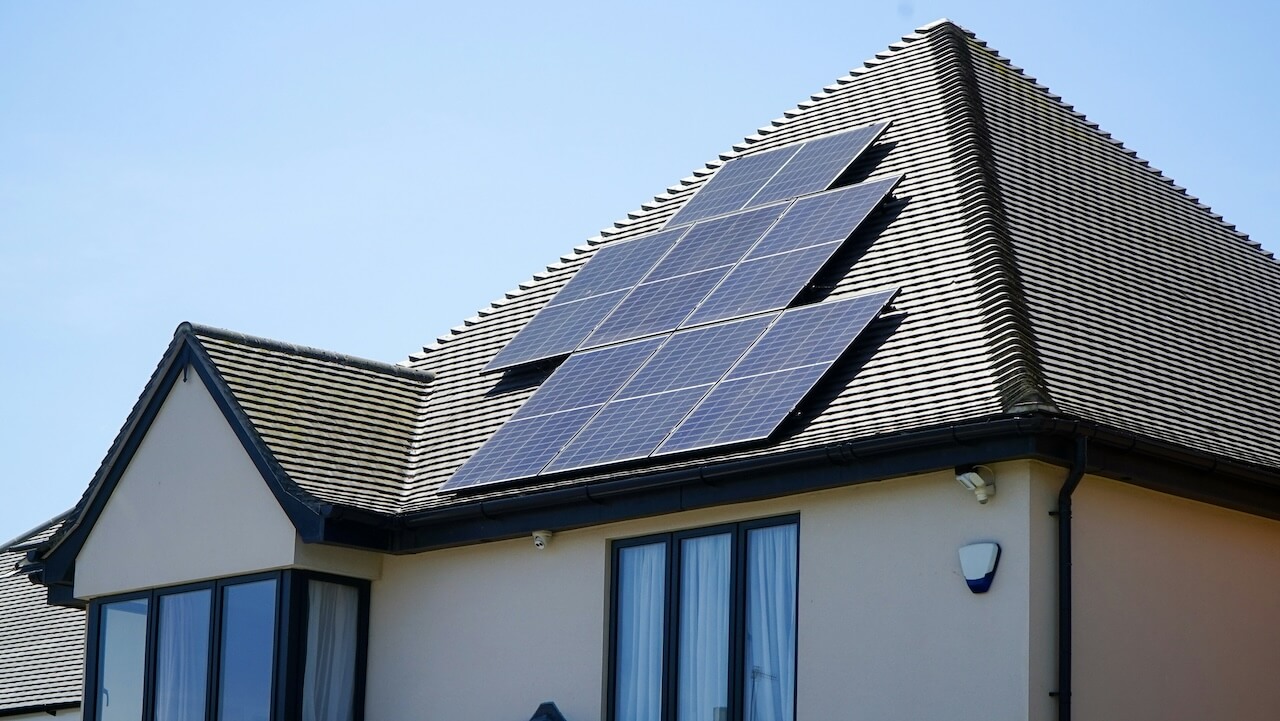
Sustainability has become the cornerstone of modern residential architecture, transforming how homes are conceived and built. By using recycled, low-impact, or renewable materials, architects help ensure that residences minimize environmental harm while maximizing long-term efficiency. Designs increasingly incorporate solar panels, rainwater-harvesting systems, and advanced insulation solutions. An outstanding example is the Solar Umbrella House in Los Angeles, which generates 95 percent of its required electricity directly from rooftop solar panels. Projects like these demonstrate the potential for homes to be both aesthetically pleasing and environmentally positive.
Technological Integration in Home Design
The infusion of technology into the design and construction process is revolutionizing the industry. Artificial intelligence is now a common tool in residential architecture, used to optimize layouts, streamline site analysis, and fine-tune energy usage estimates. Meanwhile, 3D printing is proving to be a disruptive force: large-scale printers such as those used by the Charlotte robot can construct a 200-square-meter home in just one day. This not only speeds up project timelines and reduces costs but also broadens the possibility of customizable, sustainable construction using eco-friendly composites.
Harmonizing with Natural and Historical Contexts
Respecting the environment and local history is increasingly central to modern architectural thinking. Projects like the “House in a Walled Garden” in London are exemplary, seamlessly introducing contemporary forms while retaining the essence of the site’s historical structures. By thoughtfully selecting materials and building techniques, architects pay homage to their settings while bringing fresh perspectives. Blending with the landscape or adjacent historic buildings often creates a more timeless and meaningful space.
Bioclimatic Architecture
Bioclimatic design considers the unique climate and microenvironment of each project. For example, the Lincoln Research House in Dallas innovatively responds to challenges posed by hot, humid weather. Houses built using bioclimatic strategies use orientation, shading, and cross-ventilation to naturally regulate indoor temperatures, thereby reducing energy demand and improving comfort. These design choices improve well-being and ensure homes are built to last in their specific climates.
Adaptive Reuse and Preservation
Many modern architects are returning to older structures and preserving their value, applying adaptive reuse techniques to create contemporary homes with a sense of history. The Origami House in Dallas, dating from 1959, showcases the importance of preserving mid-century modern design while adapting its interiors for today’s lifestyles. Adaptive reuse reduces construction waste and preserves cultural memory in urban landscapes.
Future Outlook
The future of modern architecture holds even more promise as organisms become involved in the construction process. Bio-hybrid technologies, such as those explored in the “Flora Robotica” project, integrate botanical growth and robotic assistance to produce structures capable of self-repair and self-organization. While this approach is still in its experimental stages, it points toward a future where buildings could be designed as living, adaptable habitats, marking a significant leap in both environmental and construction innovation.
Modern residential architecture stands at the crossroads of technology, sustainability, and contextual awareness. The most innovative designers are creating homes that foster health, reduce ecological footprints, and respect their cultural or environmental surroundings. As these trends continue to evolve, they promise to shape a generation of living spaces that are as functional and responsible as they are beautiful. For further insights into future design possibilities and sustainable practices, resources from publications such as The New York Times Real Estate section provide ongoing coverage and analysis