Key Takeaways
- The purchase price is only one part of the ownership budget.
- Condo buyers should examine association finances, repairs, insurance, and reserves before making an offer.
- Waterfront homes need property-specific reviews of flood risk, drainage, seawalls, roofs, and mechanical systems.
- A strong purchase decision should reflect daily lifestyle, long-term plans, and realistic monthly costs.
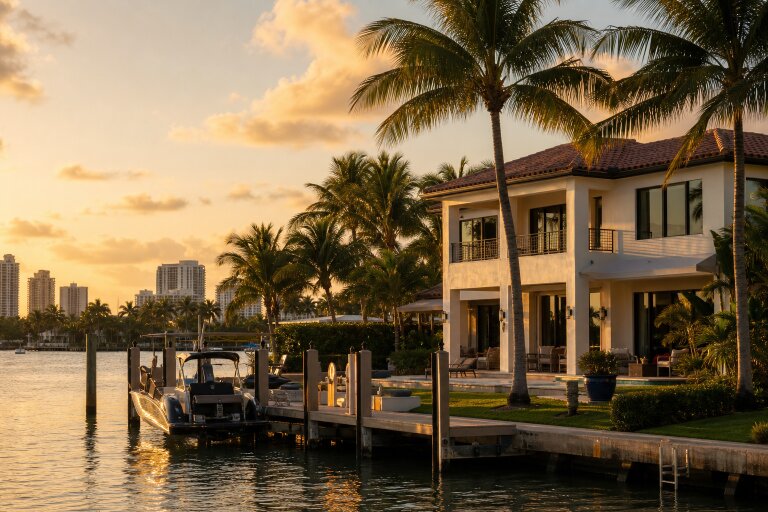
A water view, beach access, or a dock can make a Miami Beach property feel like an easy choice. However, buying near the water requires a closer look at the costs, building condition, flood exposure, and day-to-day living behind the view.
When comparing homes for sale in Miami Beach, buyers can use Carmenate/Duchon’s Miami Beach property search to explore coastal residences, condos, and luxury homes throughout this distinctive South Florida market. Their local focus on Miami Beach and nearby communities can be especially useful when narrowing a shortlist by property type, waterfront setting, and neighborhood lifestyle.
The View Is Only One Part of the Decision
Miami Beach offers a broad mix of oceanfront condos, bayfront estates, townhomes, and homes located a short distance from the shoreline. Each can deliver a different ownership experience. Before falling in love with finishes or views, estimate the full cost of owning the property, including taxes, insurance, association dues, utilities, repairs, reserves, and storm-related maintenance.
It is also important to evaluate the systems surrounding the property. For a house, that may mean the seawall, drainage, roof, windows, driveway, and landscaping. For a condo, it means the entire building, its financial records, maintenance plan, insurance structure, and association governance.
Choose the Coastal Property Type That Fits Your Plans
- Single-family homes: Offer privacy, outdoor space, and more control over renovations, but owners handle maintenance, insurance, flood preparation, and exterior repairs directly.
- Condominiums: Can provide security, amenities, and shared maintenance, although buyers must review dues, reserves, assessments, and building-wide repair needs.
- Townhomes: May provide more living space than a condo while retaining some shared maintenance. Rules and responsibilities vary by community.
- Investment properties require additional attention to rental rules, management costs, vacancy periods, and local restrictions.
Compare Areas by Daily Lifestyle
The best Miami Beach location depends on how the property will be used. A full-time resident may prioritize grocery access, quieter streets, commuting routes, and healthcare. A seasonal owner may value proximity to the beach, dining, services, security, and a lock-and-leave lifestyle.
- Walkability to daily services, parks, beaches, and restaurants
- Traffic during busy visitor periods and special events
- Noise from nightlife, major roads, construction, or nearby venues
- Access to Miami, Brickell, airports, marinas, and cultural destinations
- Street drainage patterns and the property’s surrounding elevation
- Likely to appeal to future buyers if resale is a priority
Review Flood Exposure Before Making an Offer
Ask for the property’s flood zone, elevation information, prior water-intrusion history, and details of any storm damage or insurance claims. Review drainage, roofs, impact windows, doors, electrical panels, air-conditioning equipment, and, where applicable, the seawall or dock. Major equipment located above anticipated flood levels may reduce future disruption.
The City of Miami Beach’s Fight the Flood private property adaptation program illustrates the types of mitigation projects local owners may consider, including elevation, flood barriers, drainage improvements, seawall work, and protection for mechanical systems. Program eligibility, application periods, and funding can change, so confirm current details directly with the city.
Build a Full Ownership Budget
A lower listing price does not necessarily mean lower ownership costs. An older condo with rising insurance premiums, thin reserves, or planned structural work may cost more over time than a newer unit with a higher purchase price.
- Mortgage payment and closing costs
- Property taxes, including potential reassessment after purchase
- Homeowners, wind, flood, and condo insurance
- Association dues, parking, storage, valet, or marina fees
- Utilities, internet, maintenance, and repairs
- Second-home management and seasonal oversight costs
- Potential special assessments and reserve contributions
Read Condo Documents Like a Financial Report
For condo buyers, the association package is as important as the unit itself. Request current dues, the budget, reserve information, insurance details, recent board minutes, structural reports, repair schedules, litigation disclosures, and all rental, renovation, guest, pet, and parking rules.
Recent Miami condo market reporting has highlighted how inspections, reserve funding, insurance costs, and special assessments can reshape the financial equation for owners. Focus on whether major repairs have been identified, how they will be funded, and whether the seller remains responsible for any existing assessments.
Ask Better Insurance Questions
Request insurance estimates during the inspection period, not just before closing. Ask what the master policy covers, what must be insured by the individual owner, whether wind and flood coverage are separate, and what deductibles apply. Also ask about prior claims, exclusions for water damage or mold, and whether upgrades such as a new roof or impact protection may affect premiums.
Check Building Age, Repairs, and Reserves
For coastal condos, a renovated lobby or attractive pool deck does not confirm that major systems are in good condition. Review the roof, concrete restoration, balconies, exterior walls, elevators, plumbing, electrical systems, garage, hurricane protection, and upcoming inspection deadlines. A qualified engineer may be appropriate when reports indicate structural concerns or substantial work ahead.
Confirm Rental Rules and Resale Flexibility
Rental flexibility can influence both investment plans and resale demand. Confirm minimum lease periods, limits on the number of rentals per year, short-term rental restrictions, tenant approval procedures, and occupancy rules. Obtain the governing documents in writing and verify applicable local regulations before relying on projected rental income.
Match the Inspection to the Location
A basic visual inspection may not answer every relevant question. Depending on the property, buyers may need a general inspection plus reviews of the roof, seawall or dock, plumbing, electrical, mold, wind mitigation, air conditioning, or structural systems. Condo buyers should also understand building-wide systems and whether documented repairs have been completed. Inspectors, engineers, insurance professionals, and attorneys serve different roles, so no single review replaces full due diligence.
Create a Clear Offer and Due Diligence Plan
- Set a realistic monthly ownership budget.
- Identify the preferred property type and lifestyle priorities.
- Compare several areas rather than one building or street.
- Request insurance quotes and relevant association documents early.
- Order property-specific inspections and review permits.
- Verify flood, tax, repair, reserve, and assessment information.
- Negotiate using verified costs and condition findings.
- Confirm deadlines before inspection and financing contingencies expire.
Make the Purchase Fit More Than the Address
A thoughtful Miami Beach purchase should fit the buyer’s lifestyle, budget, risk tolerance, and long-term plans. By reviewing flood exposure, insurance, building records, association finances, rental restrictions, and inspection results before committing, buyers can make a more confident decision about the property behind the view.