Revamping your outdoor area can significantly boost your home’s value and enjoyment. A well-crafted landscape merges beauty, practicality, and sustainability to create an inviting haven. Whether you’re looking to craft a lush retreat or a low-maintenance garden, applying foundational landscaping concepts ensures long-lasting results for all types of yards. For homeowners seeking professional help, services like Arbor Colleyville can offer customized solutions to elevate your project from start to finish.
When transforming your yard, prioritize careful planning, thoughtful plant selection, and regular maintenance routines to ensure your landscape thrives year-round. The strategic use of hardscaping and lighting can add a unique character, while sustainable practices promote environmental health. Considering your region’s climate and your intended uses for the space will help anchor every step of your landscaping journey.
Embracing thoughtful landscaping doesn’t just improve curb appeal; it creates spaces that are both functional and beautiful. From water-wise irrigation systems to integrative lighting, every element you add has the power to enhance enjoyment and reduce the effort needed for upkeep.
If you’re unsure where to start, familiarize yourself with the unique aspects of your lawn and the available resources. Strong planning reduces costly mistakes and paves the way for a thriving outdoor environment the whole family can enjoy. Inspiration and tips from reputable gardening sites, such as Better Homes & Gardens, can also jumpstart your creativity.
Planning Your Landscape
Effective landscaping begins with a detailed plan that considers your outdoor needs and the existing space. Assess variables such as soil quality, sunlight exposure, drainage patterns, and the overall size of your property. Define your goals: Are you creating a child-friendly play area, a serene spot for relaxation, or a vibrant space for entertaining guests?
Mapping out your intentions on paper can clarify how much room to allocate for gardens, patios, and amenities. Don’t forget to note any immovable features—such as driveways, large trees, or slopes—that can impact your layout. Good upfront planning prevents unnecessary work and helps maximize both beauty and function.
Choosing the Right Plants
The right plant choices anchor any landscape, ensuring harmony between climate, soil, and visual appeal. Native species often provide the most resilience, needing less water and fewer pesticides while supporting local wildlife. Incorporate a variety of plant types—trees, shrubs, perennials, and groundcovers—for layers of interest throughout the year. Native gardening not only bolsters ecosystem health but can be more cost-effective in the long run, as explained by experts at the National Audubon Society.
Match plant selections to sunlight requirements and consider bloom times for continuous color and to support pollinators. Group together plants with similar needs to simplify watering and care. For aesthetic balance, blend foliage sizes and textures to create a dynamic, appealing layout.
Incorporating Hardscaping Elements
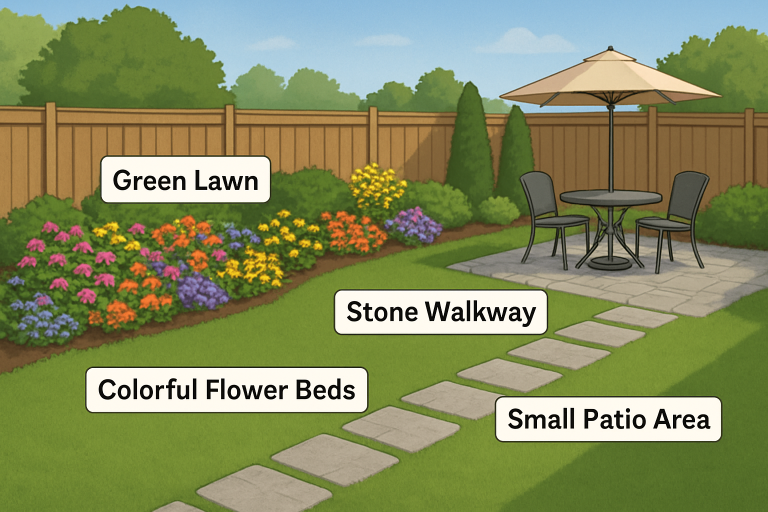
Hardscaping elements such as patios, walkways, fire pits, and retaining walls add structure and extend usability. Select materials that complement your home and landscape, such as natural stone for a rustic look or concrete pavers for a modern flair. Proper placement can help manage water runoff, reduce erosion, and define distinct garden zones.
Well-designed hardscaping not only boosts curb appeal but can also increase property value. Consider accessibility and flow, ensuring all areas are easily accessible and safe for families and guests.
Implementing Effective Irrigation
Efficient water usage is at the heart of a healthy, sustainable landscape. Drip irrigation systems are a top choice for precise watering, minimizing waste, and delivering moisture directly to plant roots. Regular inspection of irrigation lines ensures there are no leaks or blockages, preventing plant stress and lowering utility bills.
If you prefer a more straightforward approach, soaker hoses or rain barrels can be effective for smaller gardens. Adjust your watering schedule regularly to account for seasonal rainfall and temperature fluctuations.
Maintaining Your Landscape
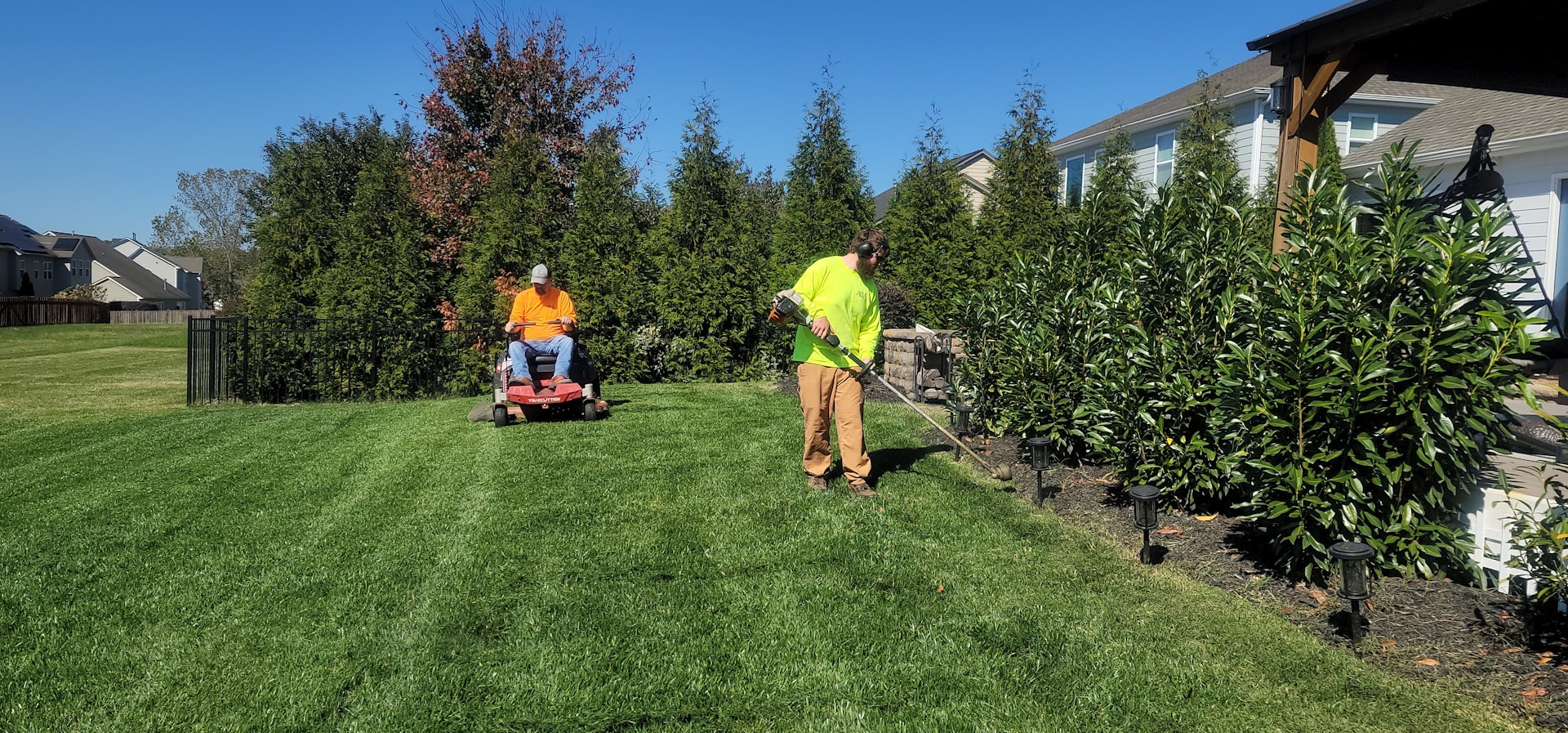
Regular upkeep preserves the beauty and health of your landscape. Routine tasks include mowing, edging, pruning, and weeding. Apply fertilizer according to your plants’ specific needs and be diligent about managing fallen leaves or plant debris, which can harbor pests and diseases.
Seasonal clean-ups—such as aerating the lawn in spring and removing built-up mulch in autumn—ensure your landscape transitions smoothly from one season to the next.
Sustainable Landscaping Practices
Sustainability reduces maintenance effort and environmental impact. Compost yard clippings to nourish your soil and use organic mulches to retain moisture, curb weed growth, and moderate soil temperature. Incorporating features like rain gardens or pollinator patches provides crucial habitats for local species and helps manage stormwater.
Replacing chemical fertilizers with compost or natural amendments also supports long-term soil health and lowers runoff pollutants.
Enhancing with Lighting
Strategically placed lighting transforms your landscape, extending its use well into the evening. Solar and LED lights offer energy savings, while spotlights can accentuate trees or architectural details. Pathway lights ensure safety, while string lights or lanterns add a warm, inviting ambiance to patios and seating areas.
Experiment with lighting heights and placement to achieve dramatic effects, while also considering security and aesthetics.
Seasonal Considerations
Landscaping is inherently seasonal, requiring different tasks throughout the year. In spring, focus on planting, mulching, and fertilizing. Summer calls for consistent watering and vigilance against pests. Fall is ideal for planting hardy perennials and preparing beds for winter. In winter, concentrate on protecting vulnerable plants and planning next year’s improvements.
Adapt your maintenance routines based on local climate variations to ensure your landscape thrives year-round.
By following these landscaping strategies, homeowners can craft outdoor spaces that blend form, function, and sustainability. With ongoing assessment and a willingness to adapt, your yard can become a valid extension of your home, offering beauty, relaxation, and a connection with nature for years to come.