Key Takeaways
- Autonomous mobile robots (AMRs) are increasingly common, helping warehouses mitigate labor shortages and heighten efficiency.
- Artificial intelligence (AI) and machine learning (ML) play a growing role in streamlining warehouse processes and improving decision-making.
- Advanced robotic arms are enhancing safety and speed in container unloading and material handling.
- Although there was a minor dip in automation orders for 2026, industry forecasts indicate robust growth ahead, particularly from 2025 onward.
As digital transformation accelerates across supply chains worldwide, warehouse automation continues to set the pace for operational innovation and efficiency. Companies are under unprecedented pressure to fulfill rising consumer expectations and navigate ongoing labor shortages. Solutions such as stellite parts and intelligent robotics are now defining the future of inventory management and order fulfillment. The evolution of warehouse automation is not just about increasing speed; it is central to creating resilient, scalable, and safe environments for employees and goods alike.
In 2026, several core trends are revolutionizing how warehouses operate, from the adoption of autonomous mobile robots to the integration of advanced artificial intelligence. These advancements support not only operational gains but also business continuity in a rapidly shifting landscape. Understanding these trends and their implications can help businesses remain competitive and responsive to both market dynamics and customer needs.
Rise of Autonomous Mobile Robots (AMRs)
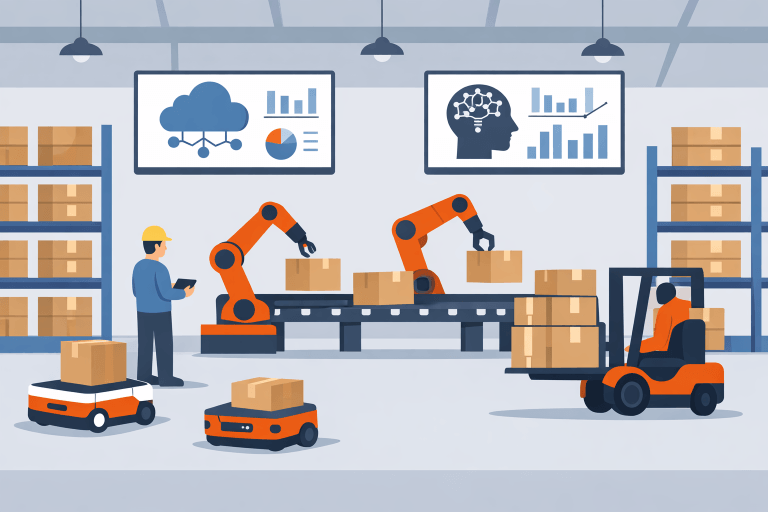
Warehouses are turning to autonomous mobile robots to address a critical labor shortage and boost productivity. These robots are increasingly central to fulfillment operations, as they navigate complex warehouse layouts and execute repetitive picking tasks more quickly and accurately than manual labor. Companies like Maersk have cited AMRs as essential to meeting demand surges and minimizing downtime in warehousing operations. By taking over physically demanding roles, AMRs also reduce the risk of worker injury and free up staff for value-added activities. For more insight into how logistics leaders are leveraging robotic solutions, visit MHL News – Warehouse Trends for 2024.
Integration of Artificial Intelligence and Machine Learning
Artificial intelligence and machine learning are now at the heart of warehouse optimization. These technologies enable real-time data analysis, more accurate inventory tracking, and improved forecasting. By minimizing human error and predicting consumer behavior, AI-based solutions ensure that warehouse inventory remains balanced, waste is minimized, and customer orders are fulfilled more reliably. Leading warehouses have reported reductions of up to 50% in forecasting errors, leading to greater operational agility and customer satisfaction. As these capabilities expand, businesses can rapidly respond to supply chain disruptions and shifting market trends. A detailed exploration of this transition can be found on TechRadar: AI in the Warehouse.
Deployment of Robotic Arms for Container Unloading
The growth of e-commerce and the complexity of goods being handled in warehouses have accelerated the adoption of robotic arms equipped with advanced sensors, machine vision, and precise control mechanisms. These arms can quickly and safely unload containers, a task that historically exposed workers to injury and fatigue. The latest robotic solutions can adapt to varying product shapes and sizes, operating with higher levels of autonomy and reliability. By reducing the frequency and severity of workplace incidents, these robots support a safer work environment and lower operational costs over time.
Advancements in Warehouse Management Systems
In addition to physical robotics and AI, the digital backbone of warehouse operations is undergoing significant enhancements. Modern warehouse management systems (WMS) now feature cloud-based platforms that provide enhanced connectivity, data analytics, and seamless integration with other supply chain tools. These systems provide real-time inventory visibility, automate critical tasks such as restocking and route planning, and support predictive maintenance schedules for machinery. The result is improved coordination between automated and human workforce components, allowing warehouses to operate with greater precision and flexibility. Enhanced dashboards and user interfaces also enable managers to make more informed decisions, allocate resources more effectively, and quickly adapt to changing priorities. As warehouse management systems continue to evolve, their role in promoting efficiency, transparency, and security across the supply chain ecosystem becomes even more pivotal.
Workforce Transformation and Skills Evolution
As automation takes hold, the profile of the warehouse workforce is evolving rapidly. While traditional manual roles are decreasing, there is a growing demand for workers skilled in robotics maintenance, WMS operation, and data analysis. Companies are investing more in upskilling and reskilling programs to ensure employees can collaborate effectively with automation tools. This evolution not only makes warehouse jobs safer and less monotonous but also creates new career pathways in technology, engineering, and analytics within the logistics sector. Strategic training initiatives are critical as companies compete for a limited pool of tech-savvy talent and seek to future-proof their operations against ongoing digital disruption.
Market Dynamics and Future Projections
Although the warehouse automation market saw a 3% decline in new orders in 2026, driven primarily by rising interest rates and an overabundance of post-pandemic warehouse space, the outlook remains optimistic. Industry analysts expect a robust recovery beginning in 2025, with growth projections estimating a compound annual growth rate (CAGR) of 8% through 2030. This resurgence will likely be fueled by sustained e-commerce growth, rising consumer expectations, and ongoing labor market constraints, all of which continue to drive investment in automation technologies.
Conclusion
In 2026, warehouse automation trends focus on embracing autonomous mobile robots, integrating artificial intelligence and machine learning, and deploying advanced robotic arms for critical manual tasks. These advancements collectively boost efficiency, safety, and adaptability within the warehouse sector. Despite short-term market fluctuations, investment in automation is set to rise as organizations capitalize on technology to address persistent labor shortages and meet evolving market requirements. Adopting these innovations is essential for logistics leaders aiming to stay resilient and competitive well into the future.