Key Takeaways
- Structured rehab programs offer a comprehensive, holistic approach by integrating medical, psychological, and social support.
- Longer periods in treatment are linked to better outcomes and increased rates of long-term sobriety.
- Innovative therapies, such as music therapy, bring creative healing methods into the recovery process.
- Peer networks and community involvement are vital for a sense of belonging and motivation during recovery.
Recovery from substance use is a complex journey that often requires more than personal determination alone. Structured rehabilitation programs provide a framework of support, combining medical care, counseling, and behavioral therapies to help individuals rebuild stability. These programs focus on addressing both the physical and psychological aspects of dependence, ensuring that recovery is approached in a comprehensive and sustainable way. By offering guided routines and professional oversight, they create an environment where individuals can gradually regain control over their lives while developing healthier coping mechanisms.
Across various regions, including drug rehab in Denver, structured programs emphasize individualized care plans that adapt to each person’s needs. These approaches highlight the continuity of support, community involvement, and ongoing guidance that help individuals maintain progress beyond initial treatment phases and are effectively sustained.
A Comprehensive Approach to Recovery
Structured rehabilitation programs are thoughtfully crafted to address the many facets of addiction. Programs commonly start with medical detoxification, ensuring that clients are safe during withdrawal. From there, individualized treatment plans incorporate both one-on-one and group therapy. By integrating a variety of modalities, behavioral therapies, family counseling, and educational workshops, rehab targets both the surface-level symptoms and deeper causes of substance use.
Whole-person treatment is a hallmark of effective rehab. This means focusing on emotional regulation, relationship skills, employment readiness, and even spiritual growth, all tailored to the individual’s unique needs. With aftercare planning included from day one, individuals have ongoing support as they transition back into their daily lives, greatly improving their chances of sustained wellness.
The Importance of Treatment Duration
Mounting evidence suggests that time truly matters in the journey to recovery. While traditional 30-day rehab programs offer immediate stabilization, research from reputable sources such as the Substance Abuse and Mental Health Services Administration (SAMHSA) highlights that longer stays often yield better results. Programs lasting 90 days or more provide the time individuals need to internalize coping skills, confront deeply rooted trauma, and test new habits in a structured environment.
The extended period also allows for gradual re-engagement with work, school, and family, while maintaining professional and peer accountability. This measured approach minimizes the risk of relapse and helps participants feel genuinely prepared for life after treatment.
Innovative Therapies in Rehabilitation
In recent years, rehab centers have begun embracing alternative therapies to complement traditional clinical approaches. Music therapy, for example, gives clients a way to explore and process emotions they may not be ready to discuss in words. Some facilities even include in-house music studios, enabling musical expression and personal healing.
Other creative modalities, such as art therapy, equine-assisted therapy, or yoga, help reconnect the mind and body, encouraging self-exploration in a safe and supportive space. For many, these outlets can be pivotal for self-discovery and emotional release, reinforcing the lessons gained in counseling and group work.
The Role of Peer Support
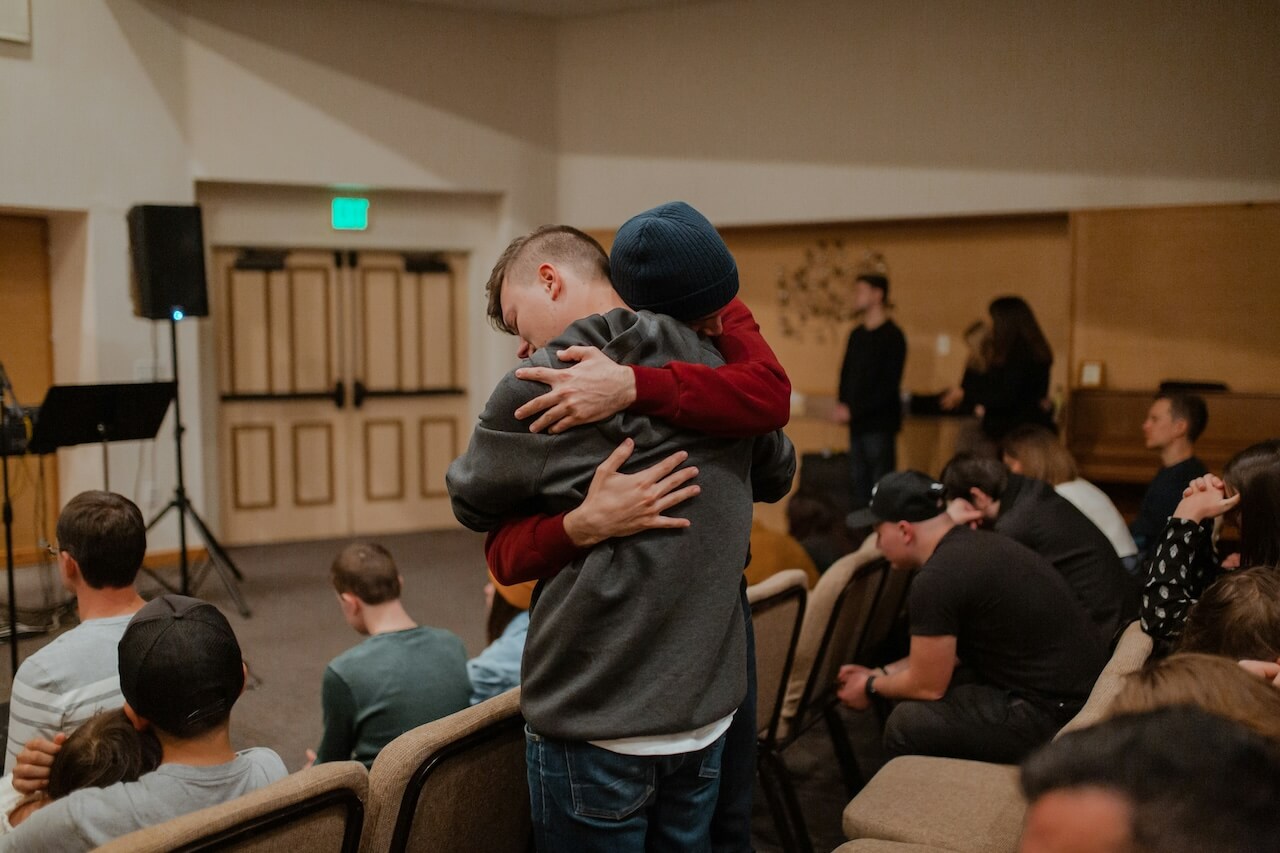
Peer support is a foundational pillar in effective rehabilitation programs. People walking similar paths can provide empathy, friendship, and practical advice that is especially meaningful during vulnerable moments. Treatment centers often bring in peer recovery specialists, individuals who have achieved sustained recovery and can act as mentors and role models.
This reliance on shared experience helps to build trust and lessen the sense of isolation that many feel in early recovery. Participation in 12-step groups or other peer networks outside formal treatment continues to offer support and a sense of belonging long after discharge.
Addressing Trauma in Recovery
For a significant portion of those battling substance use, untreated trauma is a hidden driver behind addiction. Leading programs now recognize that thorough treatment requires a trauma-informed approach. Specialized trauma recovery centers and individual trauma therapy allow survivors to safely unpack and heal from past experiences while learning healthier ways to cope with stress and triggers.
Trauma-informed care provides techniques for emotional regulation, somatic relaxation, and resilience-building that are fundamental for a successful recovery journey. Customizing interventions in this way supports continued progress and reduces the likelihood of re-traumatization or relapse.
Gender-Specific Considerations
Gender-specific programming addresses challenges that may differ between men, women, and non-binary individuals. For example, women in rehab often face unique cultural expectations, caregiving responsibilities, or trauma histories that can impact their healing process. Gender-specific groups create safe spaces to openly explore these concerns, leading to more personalized, meaningful interventions and support.
Empowering individuals to share experiences, foster connection, and address specific barriers enhances treatment effectiveness and helps everyone find a community that truly understands their journey.
Community Involvement and Recovery
Lasting recovery extends well beyond the walls of any rehab facility. Community reintegration and involvement are vital to maintaining motivation, purpose, and accountability. Initiatives like the Collegiate Recovery Leadership Academy provide those in recovery with opportunities to give back, gain valuable job skills, and train to become future peer support specialists. By staying engaged, individuals reinforce their progress while uplifting others facing the same struggles.
Community-based recovery reduces stigma and supports a culture of compassion and understanding, creating a positive ripple effect that benefits everyone.
Conclusion
Structured rehabilitation programs provide the supportive infrastructure needed for effective, holistic healing from addiction. By focusing equally on physical health, emotional growth, and community, these programs offer a genuine pathway to long-term recovery. Incorporating evidence-based therapies, extending treatment duration, embracing innovative methods, and fostering inclusive, trauma-informed spaces ensure each individual has the chance to reclaim their life for good.