
Fat Freezing Overview: How It Works
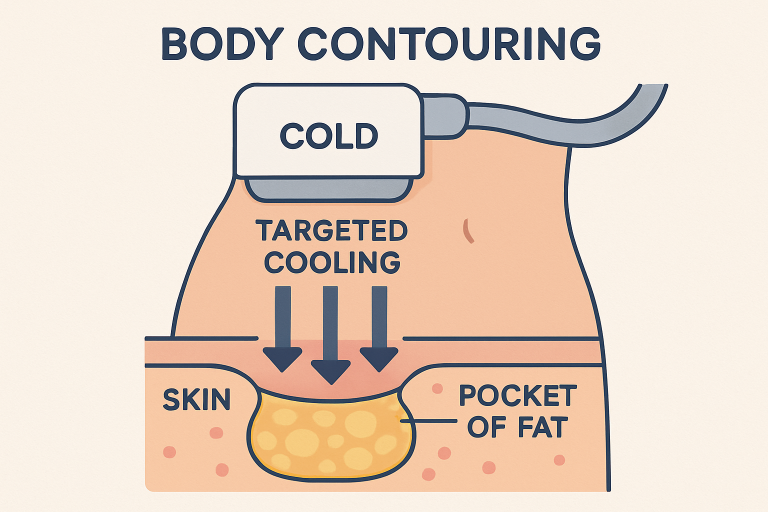
Fat freezing, also known as cryolipolysis, is transforming the field of aesthetics by offering a solution for those dealing with persistent fat pockets that resist diet and exercise. This noninvasive procedure uses precise cooling technology to target and destroy fat cells beneath the skin, without surgery or recovery downtime. The body’s natural metabolic processes gradually eliminate the treated fat cells, creating a more contoured, sculpted appearance over several weeks.
As noninvasive fat reduction becomes increasingly popular, many seek a reputable noninvasive body contouring treatment Virginia beach provider to ensure their safety and satisfaction. The convenience, safety profile, and subtle results have placed fat freezing at the forefront of non-surgical cosmetic enhancements.
The Science Behind Nonsurgical Fat Reduction
The foundation of cryolipolysis is that fat cells are more sensitive to cold temperatures than surrounding tissues. When exposed to controlled cooling, these fat cells crystallize and eventually die, while skin and muscle remain unharmed. Over time, the immune system processes and removes these dead cells, reducing the thickness of the fat layer in the treated area. Peer-reviewed studies published in medical journals show reliable reductions in localized fat after a sequence of treatments, providing patients with noticeable but natural changes.
Who Is a Good Candidate?
Fat freezing is best suited for individuals close to their ideal body weight who struggle with specific areas of unwanted fat—think love handles, thigh bulges, or a chin “double.” This approach is not designed for substantial weight loss. Instead, eligible candidates are generally healthy adults with good skin elasticity and realistic expectations. A consultation with a certified provider is the only way to confirm candidacy and rule out any contraindications, such as certain medical conditions or sensitivities to cold.
Benefits And Considerations
- Virtually no downtime—most patients resume regular activities immediately.
- Noninvasive procedure: no needles, incisions, or anesthesia, minimizing infection or scarring risks.
- Results develop gradually, which many prefer for a discreet transformation.
- Temporary side effects like numbness, tingling, or mild swelling are possible but typically fade quickly.
Despite these advantages, patients need to understand potential limitations. Results are influenced by each person’s metabolism, lifestyle, and unique body characteristics. Most patients require several sessions over weeks or months for optimal improvement. As noted by the Healthline overview of fat freezing, managing expectations and choosing an experienced professional are keys to a positive experience and outcome.
Clinical Evidence and FDA Approval
Cryolipolysis devices have received clearance from the U.S. Food and Drug Administration (FDA) for reducing fat in specific body regions, based on rigorous scientific studies verifying safety and efficacy. Clinical research, such as the National Library of Medicine reports, documents consistent fat layer reductions after recommended treatment sequences, often ranging from 20-25% in the targeted area. On the other hand, ongoing FDA monitoring and articles such as those from the FDA’s updates on cryolipolysis devices remind patients and providers alike that—while uncommon—certain side effects may occur, particularly if protocols are not performed correctly.
Comparing Fat Freezing to Other Body Contouring Methods
Cryolipolysis stands out for its tolerability and track record, but it’s not the only option. Alternative technologies like radiofrequency and laser-based therapies deploy heat, ultrasound, or electromagnetic fields to break down fat cells instead. Each technique offers unique benefits and limitations—some achieve similar levels of fat reduction but may require different numbers of sessions or protocols. In contrast, traditional surgical liposuction remains the gold standard for dramatic, immediate changes but comes with more risks, anesthesia, scars, and longer downtime. Your provider can help determine which method best aligns with your goals, comfort level, and timelines.
Next Steps: What to Do Before Your Appointment
If you’re interested in nonsurgical fat reduction, start by gathering information on providers in your area with specialized training and a track record in body contouring. Schedule a consultation to discuss your aesthetic goals, anticipated outcomes, and the likely number of sessions needed to achieve desired effects. It’s also important to ask about side effects, recovery, and aftercare. A comprehensive, well-informed approach will help you decide whether fat freezing fits your goals and lifestyle.