
Rolling ladders provide invaluable functionality in warehouses, manufacturing plants, and other industrial settings, offering safe and efficient access to elevated storage or workspaces. Their mobility and utility can significantly improve productivity, but also introduce specific safety challenges. Following stringent safety protocols is essential to prevent injuries and accidents. When considering the right equipment for your workspace, options like warehouse ladders can help you maintain efficiency while ensuring safety.
Failure to adhere to recommended safety guidelines can lead to serious workplace incidents—making it vital for both employers and employees to prioritize safety at every step. Commitment to inspection routines, adherence to proper climbing techniques, and fostering a culture of safety ensure your workplace remains both productive and hazard-free.
Proper use and storage of rolling ladders require regular attention. Rust, loose components, or improper positioning not only compromise the ladder’s performance but can also pose a danger to workers. By following a robust inspection and maintenance regimen, you protect your team and extend the lifespan of your investment.
Beyond physical equipment checks, integrating strong employee training programs and diligent maintenance procedures is crucial. These practices not only comply with industry safety standards but also minimize downtime resulting from preventable injuries or equipment failures.
Regular Inspections and Maintenance
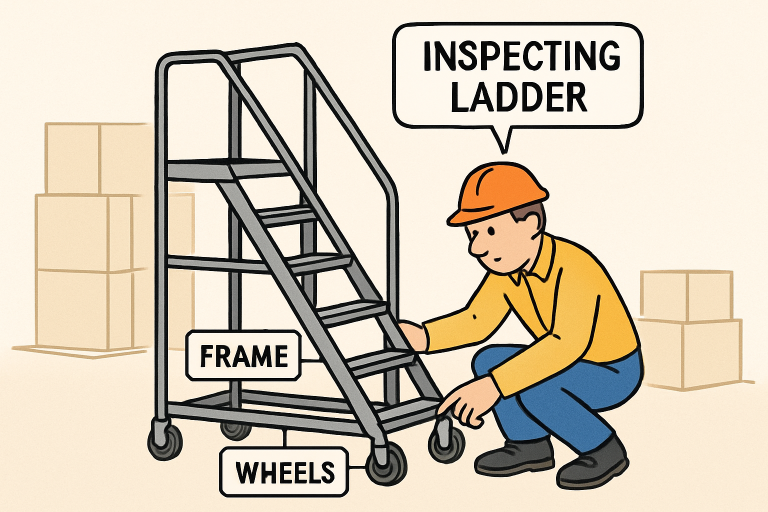
Rolling ladders should be inspected thoroughly before every use, as even minor defects can quickly develop into significant hazards. Start by scanning the frame for cracks, bends, or rust. Tighten any loose bolts, inspect the condition of the handrails, and verify that the steps and platforms are intact and secure. Pay close attention to the wheels—ensure they roll smoothly and that the locking mechanisms are functional. Any ladder exhibiting structural weakness or damage must be immediately removed from service and fully repaired before being put back into use.
Maintenance Considerations
Regular maintenance is just as crucial as inspections. Lubricate moving parts as recommended by the manufacturer and keep all hardware secure. Keeping a log of maintenance activities is a proactive way to ensure issues do not go unnoticed. Not only do these practices enhance safety, but they also prevent costly repairs by identifying minor issues early.
Proper Positioning and Usage
The proper placement of rolling ladders is central to safe use. Always position the ladder on a solid, level surface, away from any objects that could cause it to become unsteady. Before ascending, engage the wheel locks to anchor the ladder firmly in place. Climbers should face the ladder, ascend cautiously, and maintain three points of contact at all times. Tools or equipment should be carried on a belt or hoisted up after climbing to avoid losing balance. Never attempt to move the ladder while someone is on it, and avoid overreaching—if a task is out of comfortable reach, descend and reposition the ladder.
Clear and visible signage indicating weight limits and usage instructions can further bolster safety and reinforce best practices on the warehouse floor.
Employee Training
Even the best equipment can be dangerous without proper training. An effective training program covers inspection steps, correct climbing techniques, and emergency procedures. New hires should never operate a rolling ladder unsupervised until they have demonstrated their competency in its use. Schedule periodic refresher courses to ensure all staff stay current. Training should cover not only what to do but also what to avoid, such as climbing with wet or greasy shoes or attempting to take shortcuts.
Developing a Safety Culture
Encourage employees to report damage or unsafe conditions immediately. Recognize safe behaviors publicly to foster ongoing vigilance and accountability among staff. By fostering a safety-first mentality, organizations can more effectively prevent accidents and cultivate a supportive work environment.
Storage and Maintenance
Ladders should always be stored in a clean, dry location, shielded from excess moisture or temperature extremes that can promote rust or other damage. Assigning responsibility for this task—such as designating a “ladder safety coordinator”—ensures ladders are checked and maintained regularly. Additionally, periodic cleaning removes debris and substances that might cause slips or obscure defects.
It’s essential to keep walkways where ladders are stored clear of obstructions to ensure easy access. Periodic checks for compliance with storage protocols help uphold your facility’s safety standards and prevent unsafe improvisations when the equipment is needed urgently.
Conclusion
Adhering to these rolling ladder safety tips significantly reduces the likelihood of injury or mishap in industrial environments. Prioritizing inspections, responsible use, comprehensive employee training, and meticulous maintenance not only creates a safer workplace but also helps companies avoid costly downtime. By following official guidance and fostering a culture where safety takes center stage, you ensure your team remains productive and protected every day.